





Something is shifting quietly, but decisively
A museum rethinks how African art should be seen. A government moves, once again, toward reckoning with what was taken. Across the Atlantic, artists are being resourced to imagine new futures, while in literature, voices from across continents converge on one of the world’s most prestigious stages. And as one era opens, another closes with the passing of a sculptor whose steel works reflected the lived realities of a people.
This week’s stories trace these movements of return, recognition, reimagining, and release, mapping a cultural moment that feels both unsettled and full of possibility.
This Week in Black Art and Culture is sponsored by the GMCVB
Brooklyn Museum Unveils Bold Plan for New African Art Galleries
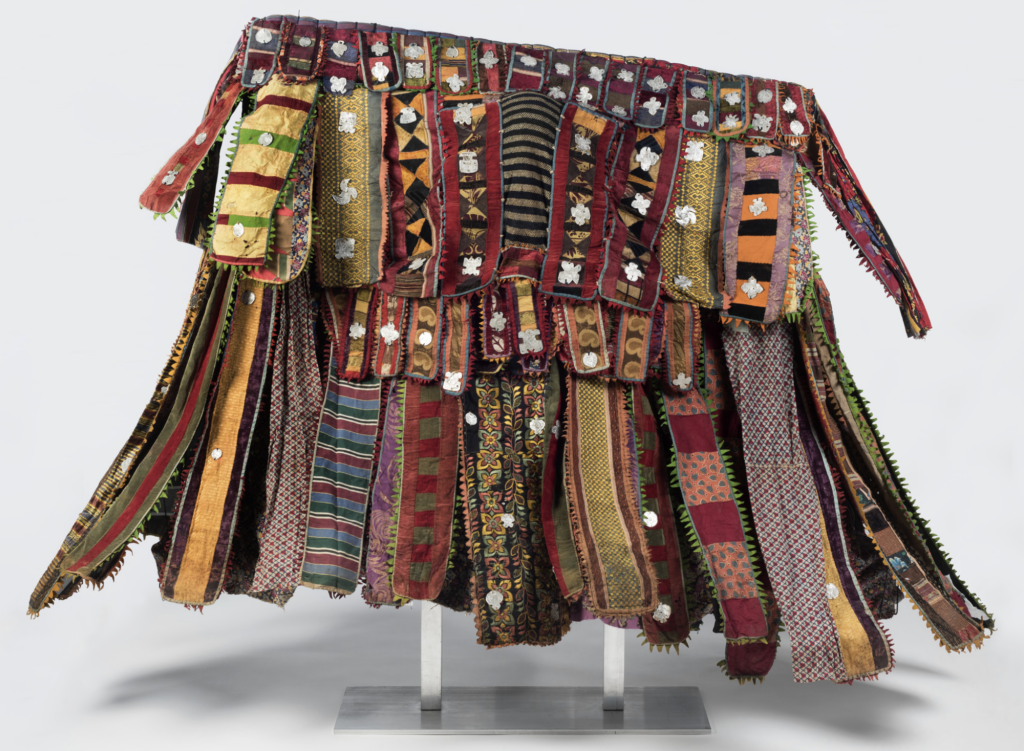
The Brooklyn Museum is embarking on an ambitious $13 million renovation to house its vast African art collection, marking a major institutional shift in how the continent’s art is presented in the U.S. Slated to open in Fall 2027, the new “Arts of Africa” galleries will occupy 6,400 square feet, presenting over 300 works from a collection of more than 4,500 objects spanning antiquity to the present.
The move builds on a historic precedent: in 1923, the museum became the first in the United States to exhibit African objects as fine art rather than ethnographic material. Now, a century later, it is doubling down on that legacy with a contemporary, research-driven approach.
Curators Ernestine White-Mifetu and Annissa Malvoisin are leading the reinstallation, working alongside a broader team to center African and diasporic perspectives. Their methodology, grounded in the study of object biographies, seeks to “listen” to the works, reframing them through layered histories and cultural contexts.
Architecturally, the project will activate previously unused spaces, blending historic galleries with modern upgrades in lighting and climate control. Notably, it will also reconnect African galleries to the museum’s Egyptian collection, challenging long-standing separations within art history.
Supported by public and private funding, the initiative signals a renewed institutional commitment to access, scholarship, and a more expansive telling of Africa’s artistic legacy.
Tomashi Jackson Awarded $75,000 Wagner Fellowship for Socially-Engaged Practice
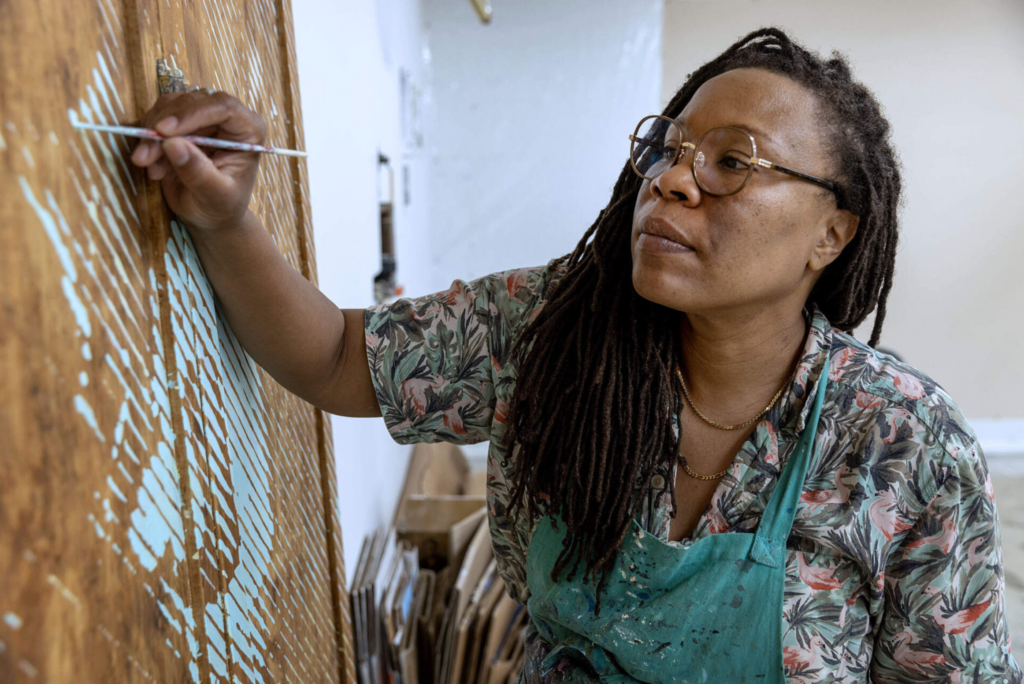
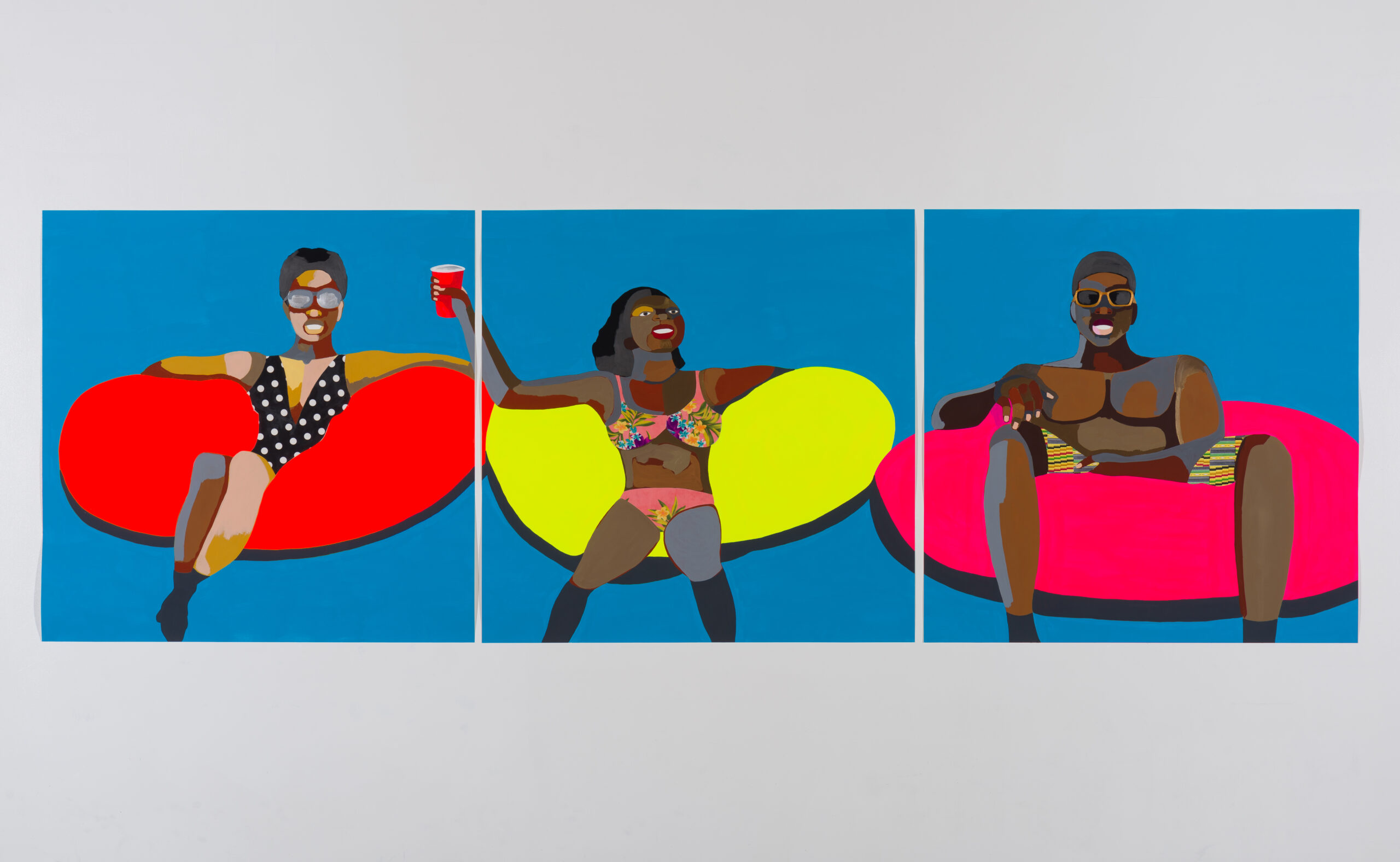
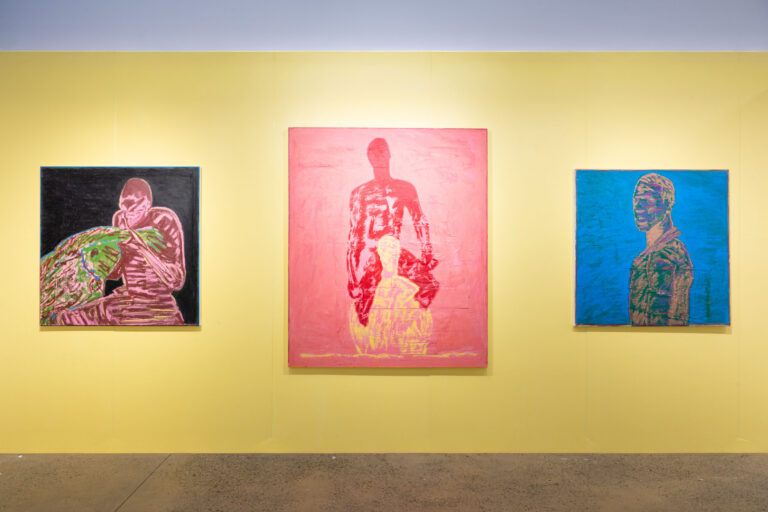
The Wagner Foundation has named Tomashi Jackson among the recipients of its 2026 Wagner Arts Fellowship, awarding the artist an unrestricted $75,000 grant in recognition of her socially-engaged practice.
Now in its second year, the fellowship supports mid-career and established artists in the Boston area whose work addresses social change. Jackson joins fellow awardees Lucy Kim and Yu-Wen Wu, with all three set to present their work in a group exhibition at the Wagner Gallery in Cambridge, Massachusetts, running from August through December.
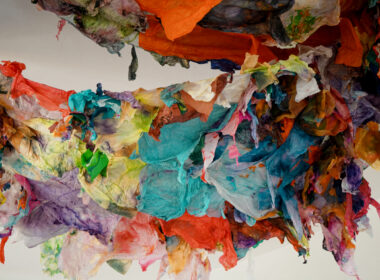
Based in Cambridge, Jackson works across painting, printmaking, video, photography, fiber, and sculpture. Her layered, multidimensional works interrogate histories of segregation and systemic inequality, positioning abstraction as a site of political and cultural inquiry.
Founded in 2005, the Wagner Foundation has steadily expanded its support for artists and cultural institutions, distributing over forty grants annually. With this fellowship, the foundation continues to invest in artists shaping Boston’s cultural landscape while reinforcing the broader role of art as a catalyst for social reflection and change.
Germany Establishes National Council to Accelerate Restitution of Colonial-Era Art

Germany has announced the formation of a new national body to oversee the return of looted cultural artifacts and human remains acquired during the colonial era, signaling a deepening commitment to restitution.
The newly created Coordination Council for Returns of Cultural Property and Human Remains from Colonial Contexts will bring together representatives from federal, state, and municipal authorities. According to a report on ARTnews, the Culture Minister Wolfram Weimer, described the initiative as “an important step” toward responsibly addressing colonial-era collections.
Germany joins a growing number of European nations formalizing restitution frameworks. In France, efforts initiated by Emmanuel Macron continue to evolve, while the Benin Initiative Switzerland has already facilitated returns of Benin Bronzes. The Prussian Cultural Heritage Foundation has also led recent repatriations, including transfers to Nigeria and Namibia.
The council builds on Germany’s 2019 restitution agreement and follows major actions such as the 2022 transfer of over 1,100 Benin Bronzes to Nigeria. Still, several promised returns—including the Ngonnso figure to Cameroon—remain pending, underscoring the long road ahead in Europe’s reckoning with colonial plunder.
Melvin Edwards, Sculptor of “Lynch Fragments”, Dies at 88
Melvin Edwards, the pioneering artist whose searing steel works fused abstraction with the lived realities of Black history, has died at 88. He passed away at his home in Baltimore, according to his gallery, Alexander Gray Associates.
Edwards was best known for his Lynch Fragments series, begun in 1963—an ongoing body of wall-mounted sculptures that combined welded steel forms, chains, and tools into dense, improvisational compositions. These works, at once abstract and deeply referential, grappled with histories of racial violence, labor, and survival in America.
One of the earliest pieces, Some Bright Morning, draws its title from Ralph Ginzburg’s 1962 book 100 Years of Lynchings, while also reflecting contemporary acts of anti-Black violence, including the killing of Ronald Stokes by Los Angeles police. Across the series, chains emerge as potent symbols of brutality, but also connection and resilience.
Influenced by American modernism as well as West African metalwork traditions, Edwards forged a visual language that was both formally rigorous and politically charged. His legacy endures as a powerful testament to art’s ability to hold history, memory, and resistance in tension.
Marie NDiaye and Ana Paula Maia Make 2026 International Booker Prize Shortlist
Marie NDiaye and Ana Paula Maia have been named among the finalists for the 2026 International Booker Prize, joining a distinguished shortlist that highlights the power and range of contemporary translated fiction.
Awarded annually to a single work translated into English and published in the UK or Ireland, the prize established in 2004, and rebranded in 2016, has long championed global and African literary voices. From a pool of 128 submissions, this year’s selection process narrowed first to a thirteen-book long list before arriving at a final shortlist that reflects both stylistic innovation and thematic urgency.
NDiaye’s The Witch, translated from French by Jordan Stump, has drawn acclaim for its fluid, immersive prose and finely controlled narrative voice. Meanwhile, Maia’s On Earth As It Is Beneath, translated from Portuguese by Padma Viswanathan, offers a stark and unsettling meditation on justice and brutality within the confines of a remote Brazilian penal colony.
The 2026 jury is chaired by Natasha Brown and includes Marcus du Sautoy, Sophie Hughes, Troy Onyango, and Nilanjana S. Roy; a panel reflecting the prize’s interdisciplinary and international scope.
The winner will be announced in London on May 19, 2026, continuing the prize’s legacy of elevating literary works that move across languages, borders, and histories.
Exhibitions to See

“Gordon Parks: We Shall Not Be Moved” | Alison Jacques, London, United Kingdom | March 5, 2026 – April 11, 2026
Theater Gates | “Dave: All My Relations” | Gagosian, New York, U.S | March 26 – May 2, 2026
“The Narratives of Migration” | National Museum of Jamaica, Kingston, Jamaica | March 27 – August 26, 2026
Ndidi Dike | “Rare Earth Rare Justice” | Secession, Vienna, Austria | March 6 – May 31, 2026
“Tirailleurs: Trials and Tribulations” | Haus der Kulturen der Welt (HKW), Berlin, Germany | March 21 – June 16, 2026
Compiled by Roli O’tsemaye